
Modern architecture is often recognized by its sleek glass exteriors that reflect the surrounding skyline and blur the boundary between indoor and outdoor spaces. Structural glazing has played a major role in shaping this architectural identity. Once considered a luxury feature reserved for landmark buildings, glass facades are now a defining element of commercial towers, residential complexes, airports, and institutional buildings across the world.
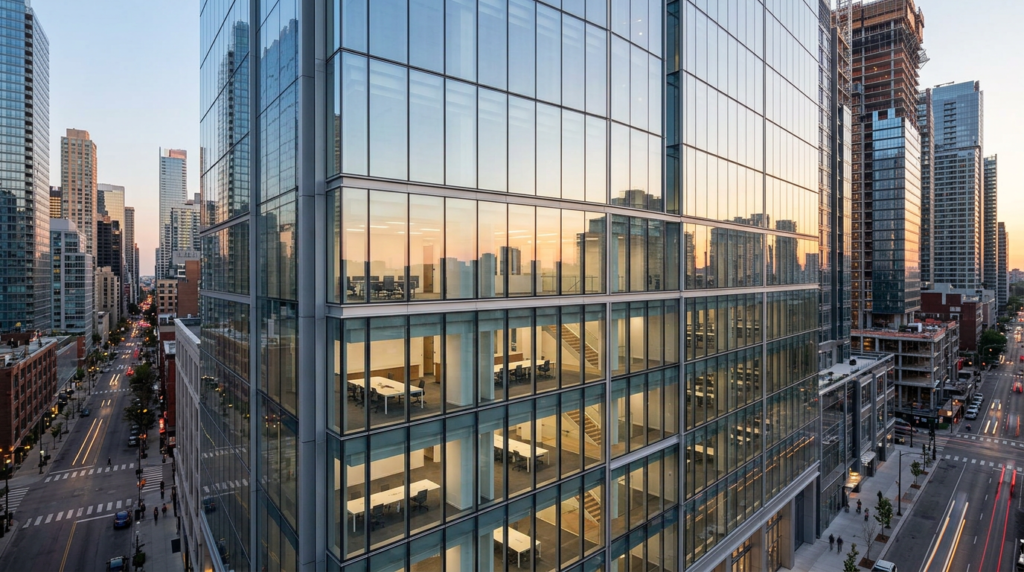
Yet the rise of structural glazing is not merely about visual appeal. Behind every glass facade lies a sophisticated combination of design, engineering, and environmental considerations. Architects today are not simply using glass to create attractive buildings—they are using it to solve complex challenges related to energy efficiency, structural stability, and occupant comfort.
Over the past few decades, advancements in materials and facade technology have allowed structural glazing systems to evolve from simple glass cladding into highly engineered building envelopes. These systems now play a crucial role in controlling light, managing heat transfer, and protecting buildings from environmental forces. The modern glass facade is therefore not just a stylistic choice; it represents the intersection of creativity, sustainability, and structural innovation.
Moving Beyond Aesthetics: The Engineering of Unitized Systems
At first glance, structural glazing might seem like an architectural trend driven by aesthetics. Glass buildings appear light, transparent, and modern—qualities that many developers and designers seek in contemporary urban environments. However, the real transformation in facade design has come from the engineering breakthroughs behind unitized glazing systems.
In earlier construction methods, glazing systems were installed piece by piece directly on the construction site. Individual glass panels, frames, and sealing components were assembled on scaffolding, often exposed to changing weather conditions. This process required significant labor, longer installation times, and careful coordination to maintain quality and consistency.
Unitized systems introduced a far more efficient approach. In this method, large sections of the facade are assembled in a factory-controlled environment before being transported to the construction site. Each unit typically includes the glass panel, aluminum frame, insulation, and sealing elements pre-installed into a single module.
This shift from on-site assembly to off-site fabrication has significantly improved both speed and quality. Factory manufacturing ensures consistent precision, tighter tolerances, and better performance testing before installation even begins. Once delivered to the site, these modules can be lifted into place and attached directly to the building structure.
Conclusion
Structural glazing has evolved far beyond its early role as a decorative architectural feature. Today, it represents a sophisticated integration of design, engineering, and environmental technology. From the precision manufacturing of unitized systems to advanced glazing technologies that balance daylight and insulation, modern glass facades are designed to meet the complex demands of contemporary architecture.
As urban skylines continue to evolve, structural glazing will remain at the forefront of architectural innovation. By combining transparency with performance, these systems allow buildings to be both visually striking and environmentally responsible.
In many ways, the glass facade has become a symbol of modern architecture’s ambition—to create spaces that are open, efficient, and resilient while maintaining a strong connection between people and the world outside.