
Modern buildings must be efficient, durable, and cost-effective. One key factor that supports these goals is exterior cladding. It acts as the outer protective layer of a building and plays a major role in controlling energy use.
Traditional cladding systems often allow heat to enter or escape easily. In hot climates, heat moves inside the building. In cold climates, indoor warmth escapes outside. This constant heat transfer forces HVAC (Heating, Ventilation and Air Conditioning) systems to work harder.
High-performance exterior cladding reduces this problem. It is designed with advanced materials and layered systems that limit thermal transfer. These materials slow the movement of heat through the building envelope.
A strong building envelope improves insulation. It also reduces air leakage. When outside air cannot easily enter the building, indoor temperatures remain more stable.
Stable indoor temperatures mean HVAC systems run less often. Heating and cooling equipment do not need to operate at full capacity throughout the day. As a result, buildings consume less electricity.
Lower energy use leads directly to lower operational costs. Utility bills decrease over time, especially in large commercial buildings. Even small efficiency improvements can produce significant savings across years of operation.
High-performance cladding also improves building durability. Quality materials resist weather damage, moisture, and UV exposure. This reduces maintenance and replacement costs.
Another benefit is improved indoor comfort. Proper cladding helps eliminate drafts and uneven temperatures. Occupants experience a more stable indoor climate.
Better insulation also improves acoustic performance. Exterior noise is reduced, which is valuable in urban environments.
Energy-efficient cladding systems also support sustainable construction goals. Many green building standards emphasize high-performance building envelopes. Improved thermal performance can contribute to energy certifications and environmental targets.
Over the long term, exterior cladding affects more than just appearance. It directly impacts energy consumption, maintenance costs, and occupant comfort.
For developers and building owners, investing in high-performance cladding is a smart financial decision. A well-designed building envelope lowers operational costs while improving building performance.
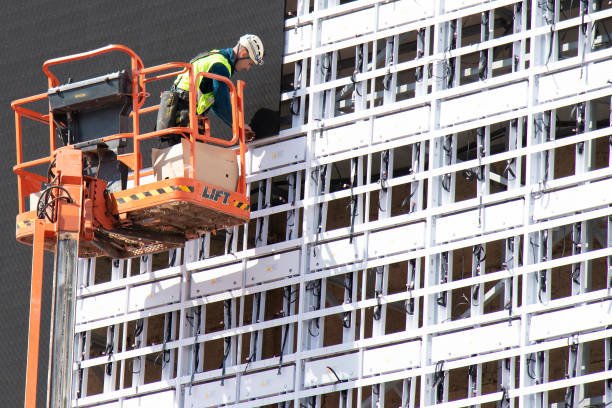
Calculating ROI: How Vitrixa Systems Lower HVAC Demands
- When selecting building materials, many developers focus only on initial cost. However, long-term operational savings are often more important. High-performance cladding systems can deliver strong financial returns.
- Heating and cooling systems consume a large portion of building energy. If the building envelope performs poorly, HVAC systems must work harder to maintain indoor comfort.
- Constant heating and cooling increases electricity use. It also increases wear on mechanical equipment.
- Vitrixa façade systems are designed to improve building envelope performance. Their systems combine insulated panels, thermal breaks, and advanced glazing technologies.
- These components reduce unwanted heat transfer between the interior and exterior environments. Indoor temperatures remain more stable throughout the day.
- When the building envelope performs well, HVAC systems run less frequently. Cooling loads decrease during hot weather. Heating demands drop during colder periods.
- Reduced HVAC use leads to lower energy bills. Over several years, these savings can offset the initial cost of installing high-performance cladding.
- Energy efficiency also affects HVAC system sizing. When a building loses less heat, smaller mechanical systems may be sufficient.
- Smaller systems reduce upfront equipment costs. They also require less energy to operate.
- Maintenance costs can also decrease. HVAC systems that run less frequently experience less mechanical stress. This extends equipment lifespan.
- Longer equipment life reduces replacement and repair expenses. For large commercial buildings, this can represent significant savings.
- High-performance cladding systems can also increase building value. Properties with lower operating costs are more attractive to tenants and investors.
- Energy-efficient buildings often achieve higher occupancy rates. They also appeal to organizations focused on sustainability.
- In some regions, energy-efficient buildings qualify for tax benefits or sustainability incentives. These programs can further improve financial returns.
- When calculating return on investment, developers should consider several factors. These include energy savings, reduced HVAC size, lower maintenance costs, and higher property value.
- When combined, these benefits create strong long-term financial advantages.
- Vitrixa façade systems help buildings reduce energy use while improving performance. For developers, they represent both an engineering solution and a smart financial investment.
- In modern construction, efficient building envelopes are no longer optional. They are essential for reducing operational costs and improving long-term building value.